Paddleboarding in Toronto: Launch Spots, Pack Checklist, and DayHop
Paddleboarding in Toronto: Launch Spots, Pack Checklist, and DayHop
The best launch spots are the Toronto Islands for calm, family-friendly water, Cherry Beach for easy downtown access, the Humber River for a mellow paddle through green corridors, and the Scarborough Bluffs for experienced paddlers chasing scenery. The fastest way onto the water is a walk-up hourly rental or a short intro lesson at a kiosk near any of these spots. Always wear a lifejacket and check the wind forecast before you push off.
TL;DR:
- Beginners should start at the Toronto Islands or Cherry Beach due to sheltered waters and easy access, but must factor in ferry or water taxi travel time.
- Check wind speeds, water temperature, and weather warnings before heading out, especially near Scarborough Bluffs where conditions can quickly intensify.
- Proper safety gear, including a lifejacket, is mandatory, and paddlers should always avoid crossing ferry lanes or active boat spaces.
- Rentals typically include essential gear like a PFD and paddle, but booking lessons or guided tours ensures proper instruction and safety compliance.
- Paddling early in the morning offers calmer water and better conditions for beginners, with wildlife and environmental preservation taking priority during outings.
Table of Contents
- Where to paddle in Toronto: quick guide to top spots
- Rentals, lessons and guided tours: what to expect
- Safety and rules for paddleboarding in Ontario and Toronto
- What to wear and bring for a paddle in Toronto
- Seasonality and launch logistics
- How to choose a rental, lesson or guided outing
- How DayHop helps plan a paddleboarding day in the GTA
- Local paddleboarding groups and clubs worth checking out
- Beginner tips for Toronto’s water and weather
- Environmental considerations and wildlife on Toronto’s water
- A Toronto paddler’s honest take on getting out early
- Build your paddle day with DayHop
- Where to double-check the details
- Sources
Where to paddle in Toronto: quick guide to top spots
Picking a spot comes down to how much wind you can handle and how far you want to travel from downtown. The Toronto Islands, Cherry Beach, Humber River, and Scarborough Bluffs cover most skill levels and moods, from a lazy float to a proper workout against a headwind.
- Toronto Islands: Sheltered lagoons around Centre Island and Ward’s Island make this the easiest spot for beginners and families. You’ll need the ferry or a water taxi to get there, so build extra time into your day.
- Cherry Beach and the Outer Harbour: Close to downtown, protected from big lake swell, and home to several rental operators. This is the low-effort choice for a hot afternoon.
- Humber River: Calm, meandering water with tree cover for shade. Good for a slower paddle with less boat traffic than the harbour.
- Scarborough Bluffs: Stunning cliffside views, but wind and current pick up fast here. Better suited to paddlers who’ve already got some hours on the water.
- Kew Balmy Beach and other east-end launches: Smaller, quieter alternatives worth checking if the bigger spots feel crowded on a weekend.
Rentals, lessons and guided tours: what to expect
Most operators offer straightforward hourly rentals, and a lot of paddlers start there before booking anything more structured. An hourly rental usually gets you a board, paddle, and PFD, while multi-hour sessions sometimes include a dry bag or a leash as well. Many island boathouse operations run on a first-come basis, so arriving early and bringing ID for a deposit saves you from standing in a long line.
If you’ve never stood on a board before, an intro lesson is worth the extra cost. A typical first lesson covers:
- How to launch without dumping yourself in the water
- Basic forward and turning strokes
- Fall recovery and re-mounting the board
- Reading conditions before you go further from shore
Beyond the basics, guided outings add variety: sunset paddles, eco tours through the islands’ wetlands, and SUP yoga sessions on flat mornings. If mobility is a concern, ask specifically about adaptive equipment or one-on-one instruction. Not every operator advertises it, but many can accommodate with advance notice.
Safety and rules for paddleboarding in Ontario and Toronto
Paddleboards fall under the same small-craft rules as canoes and kayaks under Canadian law. That means a properly fitted lifejacket or PFD is mandatory, and Transport Canada’s boating safety guidance spells out what counts as compliant gear. Skipping the PFD because the water looks calm is one of the most common mistakes new paddlers make.
Motorboats and ferries generally have limited manoeuvrability compared to a paddleboard, so give them a wide berth rather than assuming they’ll spot you. The Office of Boating Safety outlines right-of-way basics that apply on Toronto’s harbour and lake routes.
Before heading out, check three things:
- Wind speed and direction, since a light breeze at the shore can turn into a fight on open water
- Water temperature, which stays colder than the air well into summer
- Any storm or thunderstorm warnings for the afternoon
Water quality matters too. The Swim Guide publishes current beach reports so you can skip a spot after heavy rain, when runoff temporarily affects conditions.
What to wear and bring for a paddle in Toronto
Quick-dry layers beat cotton every time, and a rash guard or light wetsuit helps in early or late season when the water stays colder than the air. Pack these before you leave the house:
- Sunscreen and a hat, since UV reflects hard off open water
- A refillable water bottle
- Phone in a waterproof dry bag, plus a whistle for emergencies
- Leash, a small repair kit, and a towel or change of clothes for after
Pro Tip: Stash your dry bag with a spare set of clothes at the rental kiosk if they offer storage. Nothing ruins a good paddle like a soggy drive home.
Seasonality and launch logistics
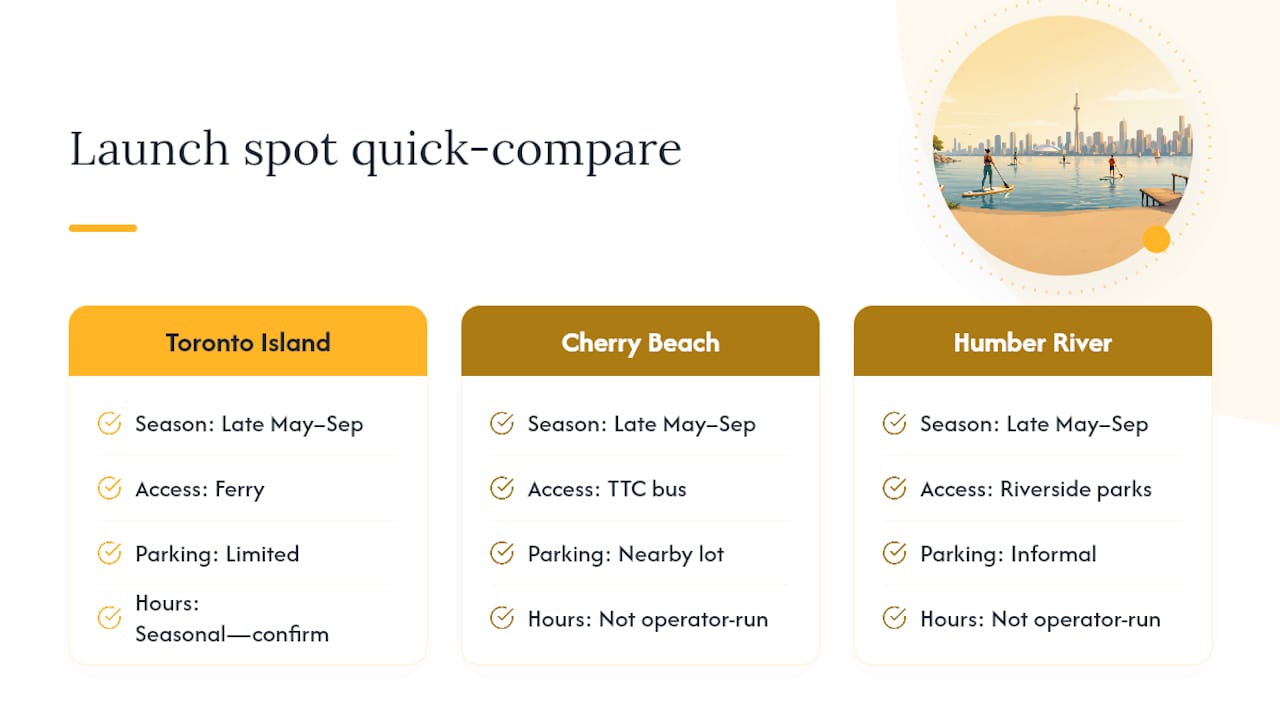
Late May through September is prime paddling season, though shoulder months carry real cold-water risk even on sunny days. Toronto Island operators typically publish seasonal hours that shift with weather, so confirm before you plan a ferry trip around them. Cherry Beach has nearby parking and is reachable by TTC bus, while Humber River paddlers usually launch from riverside parks with informal parking and should stay alert for anglers and rowers sharing the water.
How to choose a rental, lesson or guided outing
A few quick questions before you book will save you a frustrating afternoon:
- Ask about instructor credentials. Paddle Canada affiliation or equivalent certification signals a properly trained guide, and group size tells you how much individual attention you’ll get.
- Confirm what’s included. PFDs, board sizing for your height and weight, and paddle length should all be part of the package, not an upsell.
- Read the weather policy. A reputable operator will reschedule or refund for unsafe wind or storms rather than pushing you out regardless.
- Compare price against value. A cheap rental with no safety briefing is worse than a slightly pricier one that includes a proper orientation and, for tours, transport back to the launch point.
How DayHop helps plan a paddleboarding day in the GTA
Instead of juggling five browser tabs for weather, ferry times, and rental hours, DayHop pulls it into one plan. Tell it you want an active day near water, and it lines up your launch spot with a live weather check, transit or ferry timing, and a packing checklist tailored to the forecast. Family-friendly or adrenaline-heavy, the plan adjusts to what you actually want. It also links out to booking partners so reserving a lesson or tour takes one less step.
Local paddleboarding groups and clubs worth checking out
Paddling solo is fine, but joining a group speeds up the learning curve and makes for better company on the water. Toronto has an active mix of informal meetup groups and structured clubs that run regular sessions out of the islands and Cherry Beach through the summer. Many are casual, organized through social media rather than a formal membership structure, and welcome newcomers who show up with their own board or a rental booked nearby.
More structured options exist too, often tied to paddling or canoe/kayak clubs that added SUP programming as the sport grew. These typically run coached sessions, skill clinics, and the occasional longer group paddle for members who want to progress past basic strokes. Some also organize social paddles timed around sunset or full moons, which double as a low-pressure way to meet other paddlers.
If you’re new to the sport, a club or group session is often a better value than a private lesson if your main goal is building confidence rather than mastering a specific skill fast. You get informal coaching from more experienced members, plus the safety benefit of paddling with others rather than alone. Search local outdoor recreation forums or check community boards at rental kiosks. Operators often know which groups run near their location and can point you toward one that matches your schedule and skill level.
Beginner tips for Toronto’s water and weather
Toronto’s waterfront looks calm from shore, but conditions shift fast once you’re out past the breakwall. Wind is the biggest variable. A morning that starts glassy can pick up 15 to 20 knots by early afternoon, especially on open stretches near the Scarborough Bluffs or the outer edge of the islands. Sheltered spots like the island lagoons or Humber River stay calmer longer, which makes them a smarter choice for your first few outings.
Lake Ontario’s water stays cold well into summer, often noticeably colder than the air temperature on a hot day. That gap matters if you fall in. A quick dunk on a 28 degree afternoon can still leave you shivering within minutes, so knowing how to climb back onto your board quickly is a skill worth practising in shallow water before you head out further.
Currents near the harbour mouth and around ferry channels can also surprise new paddlers. Stick close to shore until you’ve got a feel for how your board handles chop, and avoid crossing active ferry or boat lanes even when they look clear. Afternoon thunderstorms build quickly in summer, so a clear morning forecast doesn’t guarantee a clear afternoon. Check conditions again before you launch, not just before you leave home.
Environmental considerations and wildlife on Toronto’s water
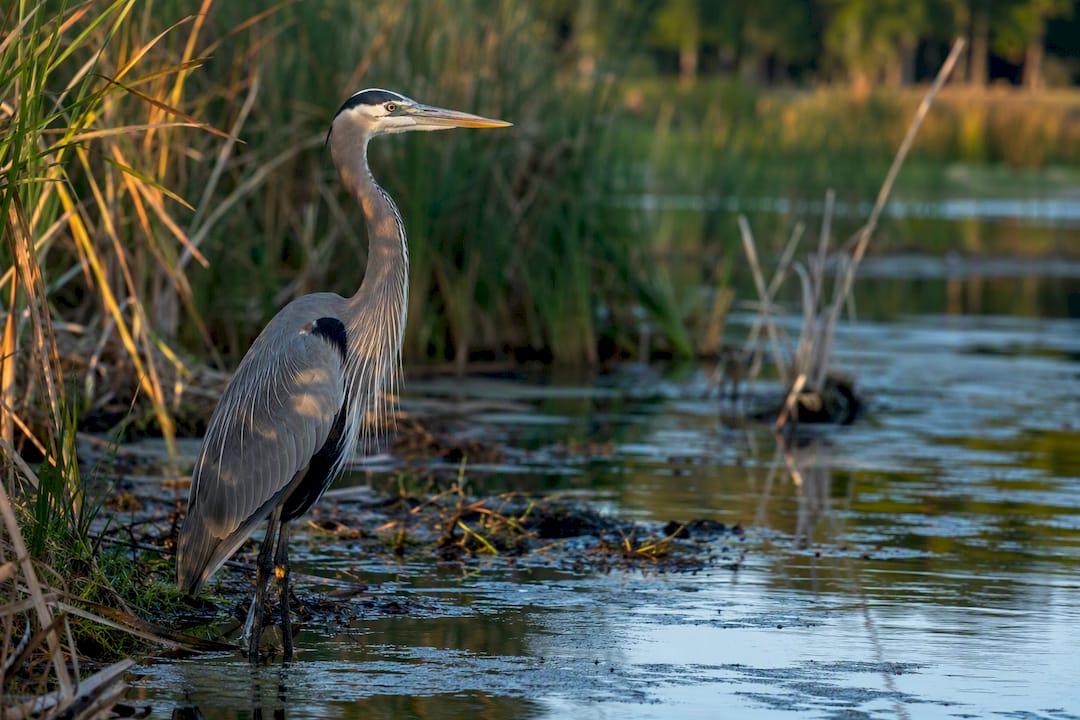
Toronto’s waterfront supports more wildlife than most paddlers expect. Mute swans and Canada geese nest around the island lagoons in late spring, and giving nesting birds a wide berth avoids stressing them during a sensitive period. You may also spot herons, cormorants, and the occasional turtle sunning near shore, all better observed from a respectful distance than a close paddle-by.
Water quality shifts after heavy rain, when combined sewer overflows can temporarily affect harbour areas. Checking a beach report before you paddle protects both you and the ecosystem, since disturbing algae blooms or contaminated shallows isn’t good for either. Staying off aquatic vegetation beds also matters. These areas serve as fish habitat, and repeated board traffic through shallow weedy zones can damage them over a season.
Leave no trace applies on the water as much as on trails. Pack out anything you bring, including snack wrappers and sunscreen bottles, and skip sunscreen with oxybenzone where you can since it’s tougher on aquatic life. Small choices like these keep Toronto’s launch spots healthy for the next paddler and the wildlife that calls them home.
A Toronto paddler’s honest take on getting out early
Get on the water before 8 a.m. and you’ll find glassy conditions and almost nobody around, a completely different experience from the same spot at noon. Early light also makes for the best photos along the Humber and near the islands’ quieter channels. Respect nesting areas, pack out what you bring, and follow posted signage. Small habits, big difference.
— Mugendi
Build your paddle day with DayHop
Booking a board is only half the plan. DayHop pulls together your launch spot, a live weather check, ferry or transit timing, and a packing list built around the forecast, so you’re not stitching together five different websites the morning of. It’s a planning tool, not a rental counter. You still book your board or lesson through the operator, but DayHop gets you there prepared and on schedule.
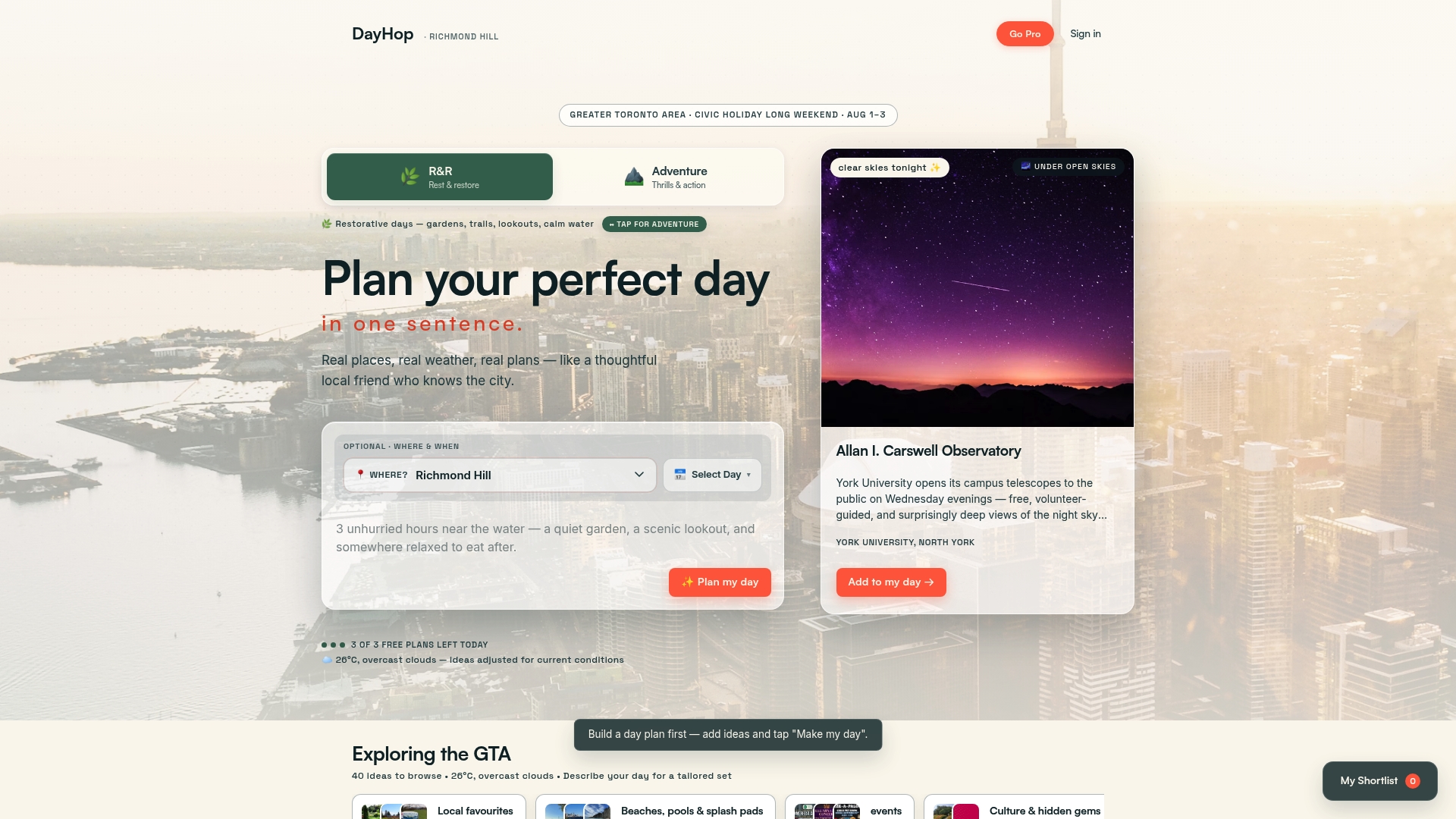
Tell DayHop you want an active day near water, and it lays out a plan built around your launch spot of choice, whether that’s the islands or Cherry Beach. It’ll flag if wind is picking up, suggest a nearby family beach for afterward, and link you to booking partners for the paddle itself. If you’d rather stay on wheels first, it can also fold in a stop at one of the city’s bike trails before you hit the water. Head to Dayhop to build your plan and follow the partner links straight to booking.
Where to double-check the details
For legal requirements, Transport Canada’s boating safety resources cover PFD rules and small-craft basics. For local launch programming, check City of Toronto’s paddle sports page. For water quality before you go, The Swim Guide has current beach reports.
Sources
- Transport Canada — small vessel and boating safety resources
- Transport Canada — office of boating safety
- The Top 6 places where to paddleboard in Toronto
- The Swim Guide — local beach water quality
Recommended
Plan my day →