Kayaking in Toronto: where to rent, paddle, and book
Kayaking in Toronto: where to rent, paddle, and book
Ready to get on the water this weekend? Head to Harbourfront Canoe & Kayak Centre for inner-harbour rentals, Toronto Adventures for calmer Humber River paddling, or a Toronto Islands launch point for sheltered lagoons. Kayaking in Toronto rewards a little planning: book a morning slot and check the wind forecast before you commit.
Here’s the quick match by experience level:
- Beginners: Toronto Islands lagoons or Humber River. Flat water, short loops, low stress.
- Intermediate paddlers: Harbourfront’s inner harbour, with its skyline views and marked lanes.
- Experienced paddlers: Cherry Beach, Leslie Spit, or Bluffer’s Park for open water and real wind exposure.
TL;DR:
- Booking a morning paddle session at sheltered launch points like Toronto Islands lagoons or Humber River ensures calm water and lowers wind-related risks.
- Rentals generally include a PFD, paddle, and briefing, with tandem kayaks recommended for beginners or those unsure about solo paddling.
- Guides and guided tours are especially beneficial for first-timers or when weather conditions could cause safety concerns, offering local knowledge and route adjustments.
- Wind speeds above 25 km/h and afternoon conditions typically make outer-harbour routes less safe, so plan outdoor activities accordingly.
- Early summer to mid-October is peak paddling season, but reserving days in advance, especially for weekends, improves availability and safety.
Table of Contents
- Best places to go kayaking in Toronto
- What rentals and lessons actually cost
- Are guided kayaking tours worth it in Toronto?
- How do I stay safe kayaking in Toronto?
- When should you book a kayak in Toronto?
- How Dayhop helps you plan a Toronto paddling day
- Can people with disabilities go kayaking in Toronto?
- A local’s honest take on your first Toronto paddle
- Key Takeaways
- Useful links for booking and conditions
- Sources
Best places to go kayaking in Toronto
Where you launch shapes the whole outing. Toronto’s mix of protected lagoons and open harbour means you can pick your adventure level without leaving the city.
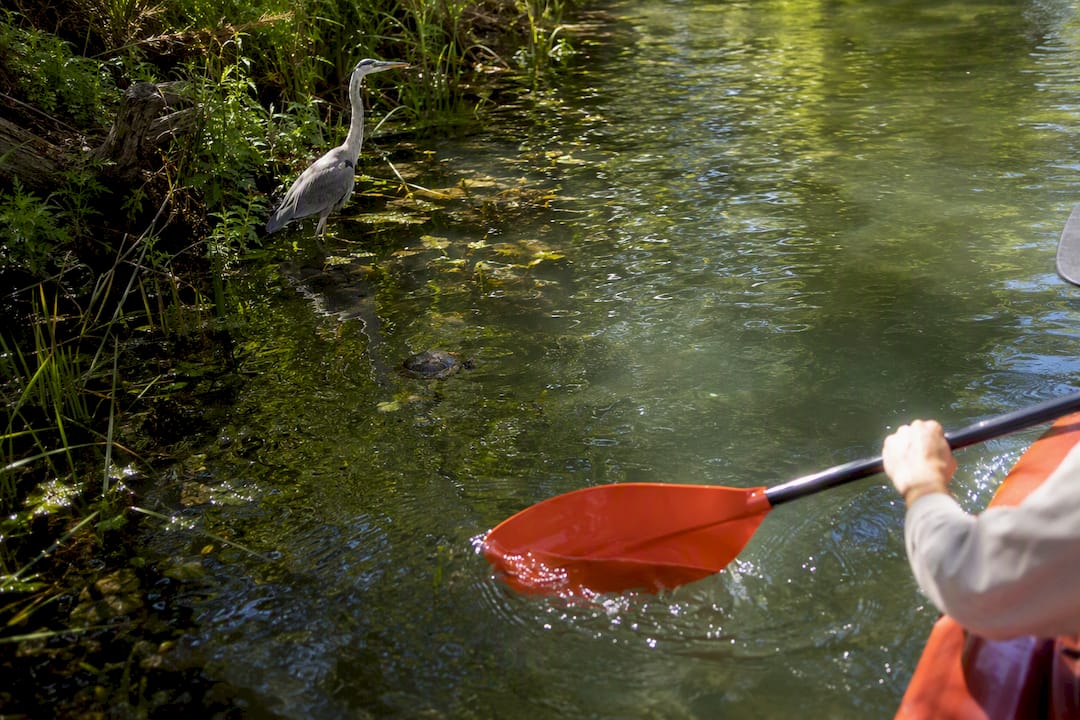
The inner islands lagoon loop is where most first-timers should start. It’s sheltered from big wind and boat traffic, the loop is short enough to finish in an hour, and you’ll spot herons, turtles, and the occasional beaver along the reedy edges. It feels less like Toronto and more like cottage country five minutes from downtown.
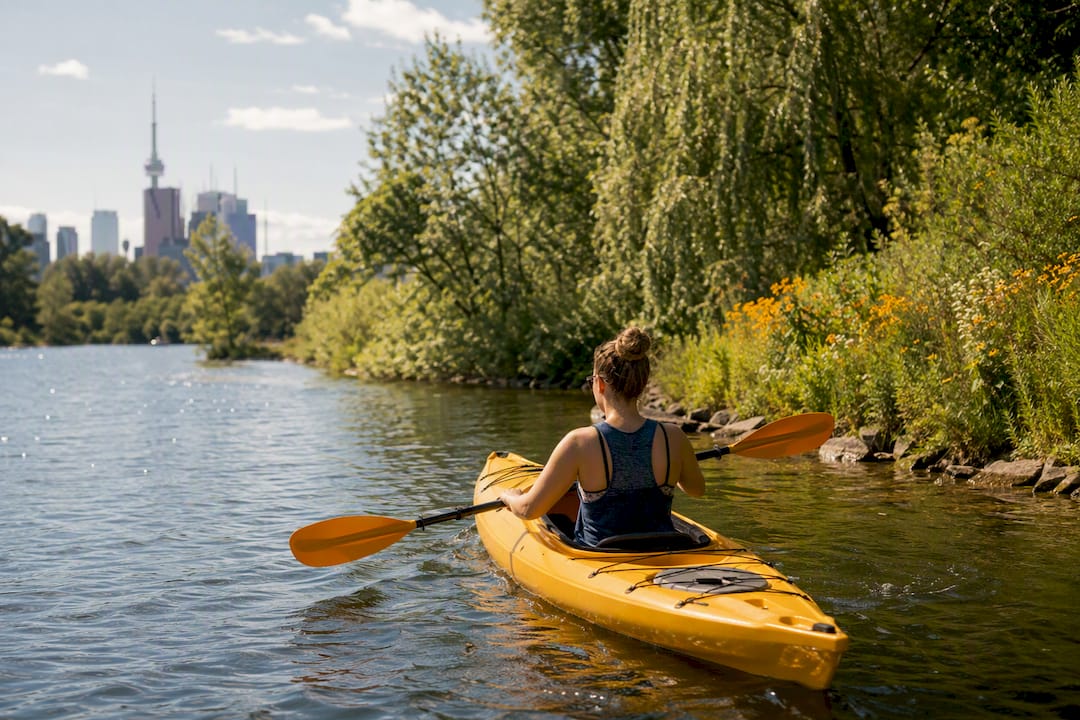
Harbourfront skyline paddles put the CN Tower and the financial district skyline right over your shoulder. You’re paddling closer to ferry channels here, so operators mark designated paddling lanes to keep kayaks clear of Island ferry traffic.
The Humber River offers a different rhythm entirely: slow-moving, tree-lined, and full of wildlife, which makes it a strong pick for families or anyone who wants scenery over adrenaline.
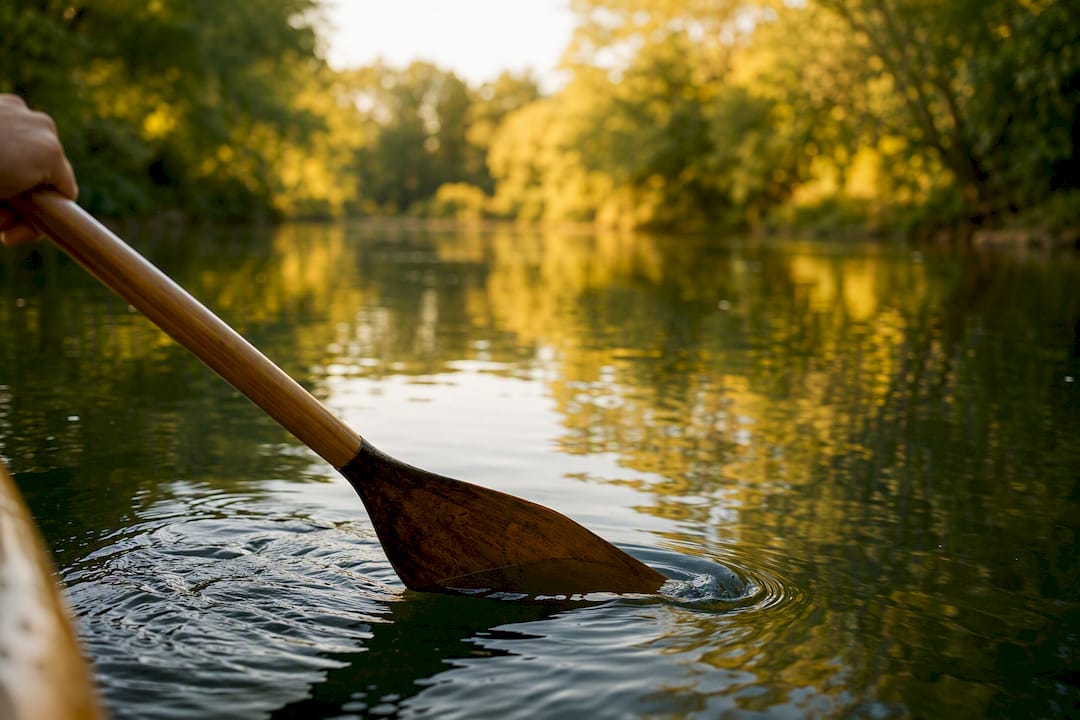
For paddlers who want more exposure and bigger views, Cherry Beach, Leslie Spit, and Bluffer’s Park open onto Lake Ontario proper, with rockier shorelines and more current and wind to manage.
The city’s paddling grounds are bigger than most people realize. The City of Toronto counts more than 46 kilometres of paddleable shoreline across the harbour and waterfront parks, which explains why the same afternoon can feel like three different trips depending on where you put in.
What rentals and lessons actually cost
A typical rental session runs 90 to 120 minutes, whether you’re in a single kayak, a tandem, or a stand-up paddleboard. Pricing varies by operator and boat type, but tandems and SUPs generally run higher than solo kayaks because they carry two paddlers or extra stability gear.
What’s included usually looks like this:
- A personal flotation device (PFD) sized to fit you
- A paddle and, on some rentals, a dry bag for phones and keys
- A short on-land safety orientation before you launch
Solo kayak rentals often come with age minimums and a quick skills check. Harbourfront Canoe & Kayak Centre evaluates first-time solo renters before letting them out alone and steers most beginners toward a tandem instead, which is a smart trust signal worth looking for at any outfitter. Expect to sign a waiver regardless of experience level.
If you’ve never paddled before, book a lesson instead of a straight rental. A typical lesson pairs a land-based briefing on strokes and capsize recovery with guided time on the water, and several Toronto operators structure their coaching around Paddle Canada skill progressions, which gives you a recognized benchmark to build on later.
Are guided kayaking tours worth it in Toronto?
Guided tours earn their price when you want local knowledge without the guesswork. A guide knows where the wildlife shows up, which channels stay calm, and how to read the wind before it becomes a problem, so you spend your energy paddling instead of navigating.
- Confirm the duration. Most guided kayaking tours in Toronto run around two hours, priced above a standalone rental but bundling instruction, route planning, and safety supervision.
- Match the tour to your group. First-timers, visitors without their own gear, and families with mixed skill levels get the most value from a guided format.
- Look for themed departures. Operators like iPaddle Adventures run sunrise, sunset, and full-moon paddles at Kew-Balmy Beach, which turn a routine outing into something worth planning a whole evening around.
How do I stay safe kayaking in Toronto?
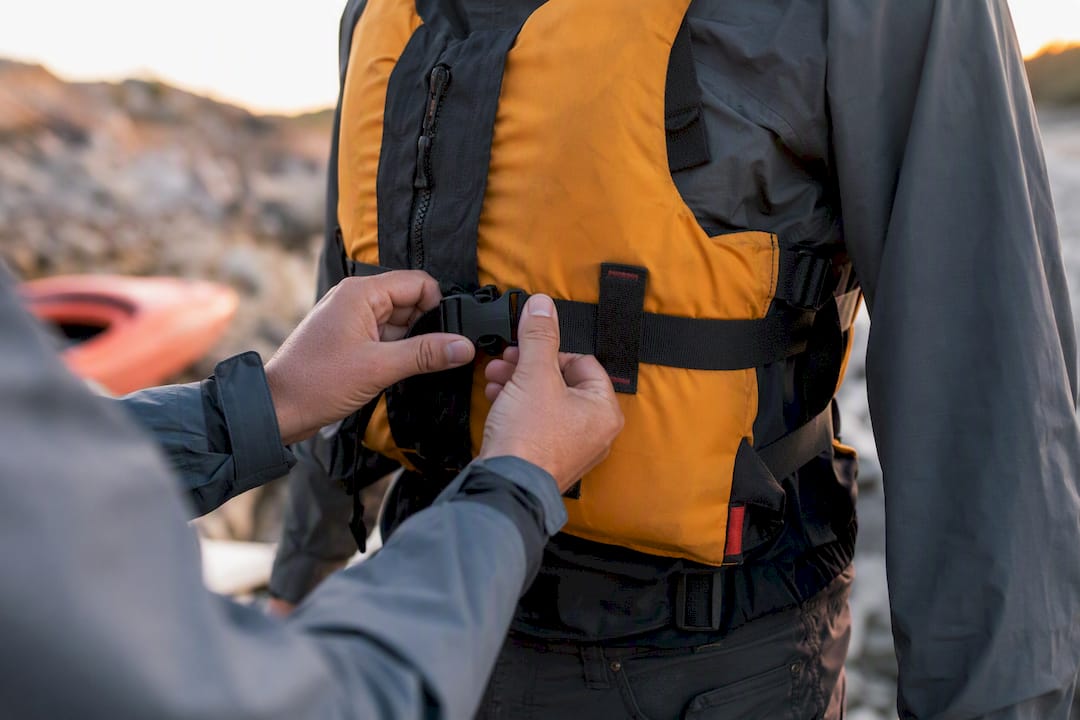
Wear your PFD every time, even on the calmest lagoon day, and confirm it fits snugly before you push off. Every reputable outfitter provides one along with a pre-launch safety briefing, but it’s on you to check the buckles and make sure it won’t ride up.
Wind is the variable that catches paddlers off guard. Morning sessions tend to be calmest, since wind speeds on the harbour and islands typically build through the afternoon. As a rough guideline, skip harbour or outer-island routes when sustained winds top 25 km/h.
Pack light but pack smart:
- Water and sunscreen, even on overcast days
- Quick-dry clothing rather than cotton
- Your phone sealed in a waterproof pouch
- Water shoes for launching off rocky or sandy shorelines
Pro Tip: If you’re checking the forecast and seeing gusty conditions, swap your solo paddle plan for a lesson or guided tour instead. Guides can adjust the route on the fly to keep you in sheltered water.
When should you book a kayak in Toronto?
Most outfitters run from early May through mid-October, with June through August as peak season. Weekend mornings and early evenings fill fastest, and Harbourfront routinely books out on summer Saturdays, so reserving even a few days ahead makes a real difference during peak months.
- Book morning slots first. They’re calmer and sell out quickest in summer.
- Confirm the cancellation and weather policy before you pay a deposit.
- Consider a weekday or shoulder-season outing (May, September, early October) for smaller crowds and better availability.
- You typically won’t need a separate launch permit as a renter. Operators handle permissions for their own docks and launch points.
How Dayhop helps you plan a Toronto paddling day
A paddle is just one piece of a good day out, and figuring out what comes before and after it is where most plans stall. Dayhop builds around that gap, using weather-aware timing to suggest a launch window and filling in the rest of your day around it.
- Pick a morning Harbourfront paddle and Dayhop can suggest a nearby café for afterward
- Add a short waterfront park walk to round out the outing
- Get a nudge if the forecast shifts, so you’re not stuck rebooking last minute
| What you want | How Dayhop helps |
|---|---|
| A full day, not just a paddle | Adds a café or park stop around your kayak session |
| Weather changes | Flags shifting wind or rain so you can adjust in time |
| No decision fatigue | Builds the plan once you pick a launch point and time |
Can people with disabilities go kayaking in Toronto?
Yes, and the sheltered lagoon routes around the Toronto Islands are the most practical starting point. Calm water and short distances make transfers and pacing far more manageable than an open-harbour route.
Adaptive paddling in Toronto generally comes down to three things: the boat, the transfer, and the support on the water. Tandem kayaks let a companion or guide help manage steering and pacing, which suits paddlers who tire quickly or need backup with balance. Some operators can accommodate outrigger stabilizers or wider-cockpit kayaks on request, though availability varies by location and season, so it’s worth calling ahead rather than assuming equipment will be on hand.
Launch conditions matter as much as the boat. Docks and beach launches with a gentle slope, rather than a steep drop into open water, make transfers from a wheelchair or with limited mobility considerably easier. Harbourfront’s docks and the Toronto Islands’ beach launches tend to offer gentler access points than the rockier shoreline at Cherry Beach or Leslie Spit.
If you have a specific mobility need, contact the operator directly before booking rather than showing up and hoping for the best. Staff can tell you honestly whether their boats, docks, and guide-to-paddler ratios will work for your situation, and a short phone call beats a frustrating trip to the water’s edge.
A local’s honest take on your first Toronto paddle
Start with a Harbourfront morning rental, then loop into the island lagoons once you’re warmed up. Bring a partner and go tandem if you’re at all unsure. Book a guided tour instead if winds look iffy or you’d rather learn as you go. When you’re juggling the paddle plus lunch plus getting home, Dayhop is worth pulling up to stitch the day together.
— Mugendi
Key Takeaways
Booking a morning slot at a sheltered launch point and matching your boat to your experience level is what makes a Toronto paddling day work.
| Point | Details |
|---|---|
| Start sheltered | Toronto Islands lagoons or Humber River suit beginners; Harbourfront and Cherry Beach suit stronger paddlers. |
| Expect 90 to 120 minutes | Standard rental sessions include a PFD, paddle, and a safety orientation. |
| Book mornings early | Winds build through the afternoon, and summer weekend slots fill up fast. |
| Go tandem if unsure | Operators often steer first-time solo renters toward tandems for safety. |
| Plan the whole day | Dayhop can pair your paddle with a nearby café or park stop and flag weather changes. |
Useful links for booking and conditions
Check City of Toronto paddle sports guidance for official launch info, book directly through Harbourfront Canoe & Kayak Centre or Toronto Adventures, and confirm wind before you go with The Weather Network.
Sources
- Paddle sports — City of Toronto
- Kayak Rentals Toronto | Harbourfront Canoe & Kayak Centre
- Humber River Kayak, Canoe & Paddleboard Rentals — Toronto Adventures
Recommended
Plan my day →