Your ideal Toronto weekend itinerary, mapped by neighbourhood
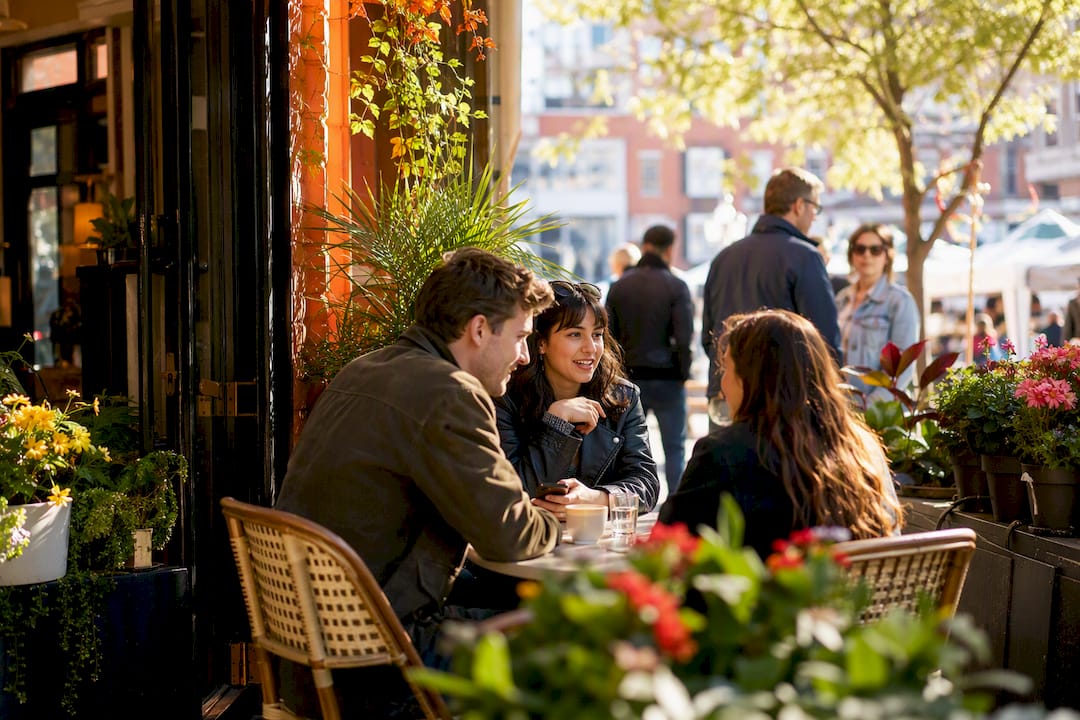
Your ideal Toronto weekend itinerary, mapped by neighbourhood
Book two things first: a CN Tower timed entry and the Toronto Islands ferry, then build your Toronto weekend itinerary around St. Lawrence Market, the tower, and the islands as your three anchors. Two days covers the downtown core comfortably. A third day lets you add Casa Loma, the Beaches, or a Niagara Falls run without feeling rushed.
- Prebook: CN Tower timed entry and the islands ferry, especially in summer.
- Base yourself: downtown near King or Front Street to keep every anchor a short walk or one TTC ride away.
- Pack: a light layer even in summer. The lake shifts temperatures fast.
Riding the TTC and checking a tool like DayHop for weather-aware swaps keeps the whole weekend moving without the guesswork.
Key Takeaways
A well-run Toronto weekend works because it anchors each day to one major attraction and limits travel to two or three neighbourhoods.
| Point | Details |
|---|---|
| Book two anchors first | Secure CN Tower timed entry and the Toronto Islands ferry before you land, especially in summer. |
| Limit each day’s districts | Stick to two or three neighbourhoods a day to cut transit time and keep momentum. |
| Bring cash to the market | Some St. Lawrence Market vendors are cash only, and the market is closed Mondays. |
| Use a TTC day pass strategically | A weekend day pass pays for itself after roughly three trips in a single day. |
| Personalize with DayHop | DayHop adjusts your itinerary in real time for weather, transit delays, and shifting preferences. |
Where to check official hours and tickets
- St. Lawrence Market FAQs for hours and vendor payment details.
- Destination Toronto’s neighbourhood itineraries for seasonal alerts and planning tools.
- Official TTC and UP Express pages for current fares and schedules before you travel.
Table of Contents
- Toronto weekend itinerary essentials: transit, timing, and where to stay
- Day 1: market mornings, the tower, and a Distillery District evening
- Day 2: islands and outdoors, or museums and west-end wandering
- Day 3 (optional): Casa Loma, the Beaches, or Niagara Falls
- Where to eat: market favourites and neighbourhood dinner picks
- Three copyable 48-hour templates for your trip
- Making these plans yours with real-time adjustments
- Frequently asked questions
- Sources
Toronto weekend itinerary essentials: transit, timing, and where to stay
Getting your logistics sorted before you land saves you an hour of fumbling on day one, and that hour matters more than you’d think.
If you’re flying into Pearson, the UP Express gets you to Union Station in about 25 minutes, running every 15 minutes through most of the day. That’s your fastest link between the airport and the downtown core, and it drops you within walking distance of St. Lawrence Market and the CN Tower.
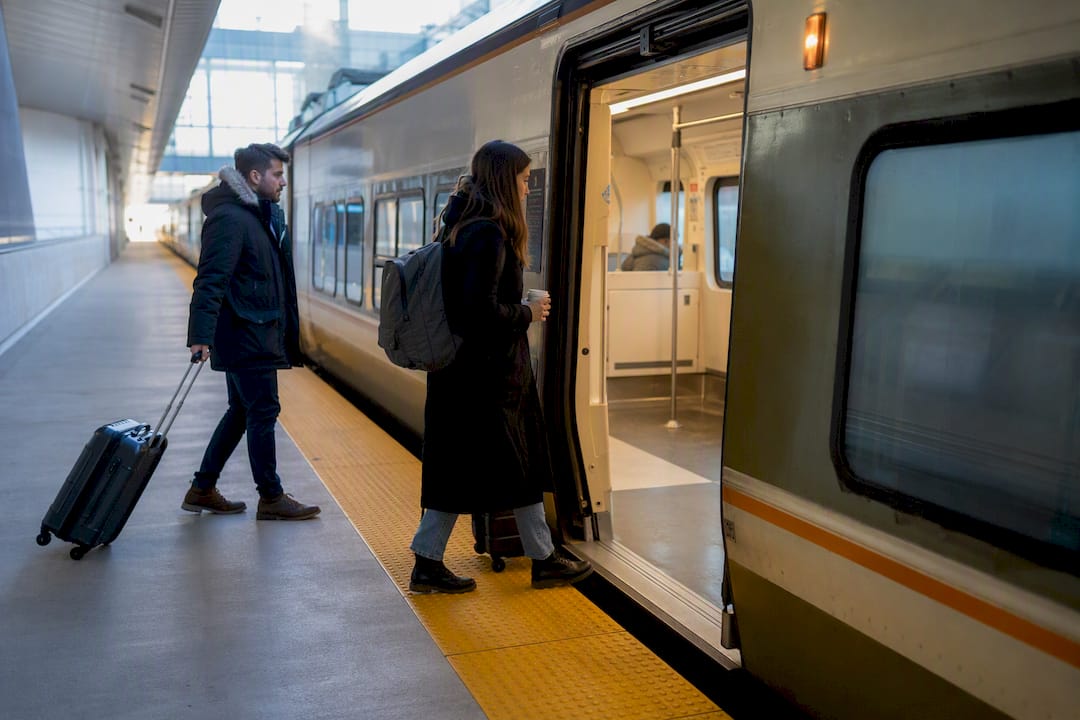
Once you’re downtown, the TTC (Toronto Transit Commission) runs subway, streetcar, and bus routes that reach nearly every stop on this itinerary. A weekend day pass tends to pay for itself once you’ve taken about three separate trips in a day, which most itineraries here will hit easily between market, tower, and evening plans.
Weather deserves real attention. Toronto sits on Lake Ontario, and that lakeside microclimate can swing temperatures by up to 10°C in a short window, so check the forecast Friday morning and pack layers even in July.
Where to base yourself:
- Downtown core (King, Front, Bay): puts you within walking distance of St. Lawrence Market, the CN Tower, and the ferry docks. Best for a two-day trip.
- King West or Queen West: better if nightlife and dining are your priority; slightly longer walk to the ferry terminal.
- The Distillery District or East End: quieter, boutique feel, still a short streetcar ride from everything else.
Local guides consistently recommend anchoring each day around one major attraction and sticking to just two or three neighbourhoods, which keeps transit time down and lets you actually enjoy the district instead of rushing through it.
Pro Tip: Book the CN Tower for an early afternoon slot, roughly 11:00 a.m. to 1:00 p.m. You’ll skip the worst of the later crowds and still get good light for photos from the top.
Day 1: market mornings, the tower, and a Distillery District evening
Day one is built for minimal transit and maximum payoff: one market, one landmark, one neighbourhood stroll into dinner.
- Start at St. Lawrence Market (9:00 a.m.). This is the heart of your Toronto travel guide for good reason. The lower level’s food stalls make for an easy grazing breakfast, and the upper level’s Saturday farmers’ market (when it’s running) adds fresh produce and baked goods into the mix. Bring cash. Some smaller vendors take cash only, and the market is closed Mondays, which trips up more visitors than you’d expect.
- Walk to the waterfront (10:30 a.m.). It’s a short 10 to 15 minute walk from the market to Harbourfront. If you’ve got kids or extra time, Ripley’s Aquarium sits right beside the CN Tower and makes a solid detour.
- CN Tower (11:00 a.m. to 12:30 p.m.). Booking a timed entry in the early afternoon window helps you dodge the longer waits that build up later in the day. Budget about 90 minutes total, from the elevator queue to the glass floor to the view deck.
- Lunch near the base (12:30 p.m.). Plenty of casual options cluster around the tower and Rogers Centre; nothing fancy needed here since dinner’s the main event.
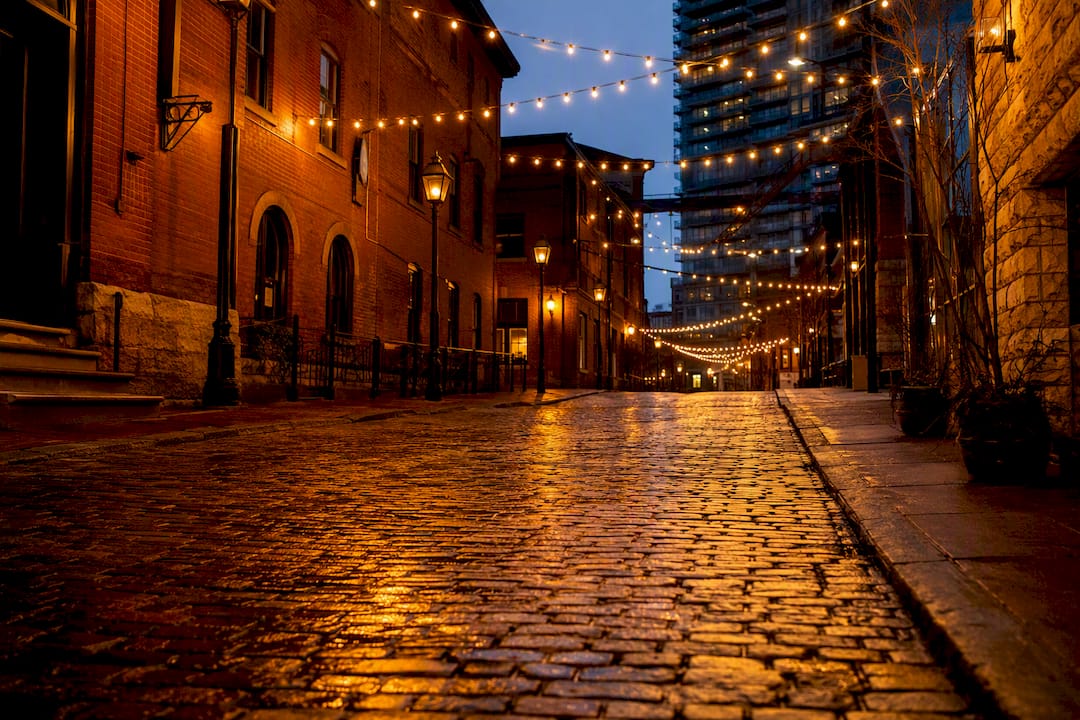
- Distillery District (3:00 p.m.). A streetcar or 20 minute walk gets you into this cobblestone, car-free neighbourhood of galleries, boutique shops, and patios. It’s compact enough to explore fully in an hour or two.
- Dinner in King West or Queen West (6:30 p.m.). Both strips deliver strong options, from casual bistros to sleeker cocktail-forward spots. If you want a rooftop view to close the day, several King West venues deliver that golden-hour wind-down feel without needing a reservation weeks out.
Here’s a number worth building your day around: ferry wait times to the Toronto Islands can stretch past 60 to 90 minutes on hot summer weekend afternoons. That’s why the islands get their own dedicated morning on day two rather than a rushed add-on to day one.
This sequence follows the same pattern Lonely Planet recommends for a Toronto weekend: market first, landmark midday, neighbourhood wander into evening. It works because each stop sits within a short hop of the last one, so you’re never burning half an hour just getting somewhere.
Day 2: islands and outdoors, or museums and west-end wandering
Day two is where your interests should steer the plan. Pick outdoor and water, or culture and neighbourhood walking. Both fit a full day without feeling packed.
Option A: Toronto Islands and waterfront
- Catch the ferry early (9:00 or 9:30 a.m.). The dock sits at the base of Bay Street, a short walk or streetcar ride from downtown. Going early avoids the afternoon lineups that build fast once temperatures climb.
- Rent a bike on Centre Island. The islands are largely car-free, and cycling the paths between the three connected islands is the easiest way to cover ground.
- Pack or buy a picnic. There are a few food vendors on the islands, but selection is limited, so bringing your own lunch from the market the day before gives you more options.
- Head back by early afternoon if you want to layer in a second stop, or stay through golden hour for one of the best skyline views in the city.
Option B: ROM, AGO, and a Kensington/Annex walking loop
- Royal Ontario Museum (10:00 a.m.). Budget two to four hours here depending on how deep you go into the dinosaur and Egyptian galleries.
- Walk or streetcar to the AGO (1:30 p.m.). The Art Gallery of Ontario sits about 20 minutes away and pairs naturally with a ROM morning if you’re museum inclined.
- Kensington Market and the Annex (3:30 p.m.). Vintage shops, murals, and an eclectic food scene make this a great low-effort wander to close the afternoon.
Sunset options to close either path:
- Polson Pier for skyline views across the harbour.
- Trinity Bellwoods Park for a laid-back, grassy wind-down with a beer garden nearby.
- A rooftop dinner reservation in King West if you want the day to end somewhere seated.
Families should lean toward Option B if young kids are along. The ROM’s dinosaur gallery reliably lands well, and the walking distances are shorter than the island loop. Accessibility-wise, both the ROM and AGO offer elevator access and accessible entrances, while the islands ferry has accessible boarding but limited paved paths once you’re on Centre Island.
Day 3 (optional): Casa Loma, the Beaches, or Niagara Falls
A third day is where you get to choose between staying local at a slower pace or making a bigger trip out of the city.
- Casa Loma (half day): This restored 1914 castle in midtown takes about two to three hours to explore, gardens included. Book tickets online ahead of a weekend visit since walk-up lines build midmorning.
- The Beaches and Woodbine Beach (half day): A streetcar ride east gets you to a boardwalk, lake views, and a noticeably slower pace than downtown. Late morning through early afternoon is the sweet spot before crowds peak.
- Niagara Falls day trip (full day): Realistically, budget 90 minutes each way by car or bus, which means an early 8:00 a.m. start and a return by 7:00 or 8:00 p.m. if you want real time at the falls. This only makes sense if you don’t have an evening flight and don’t mind a long day.
If your flight cuts your third day short, swap Niagara for Casa Loma or the Beaches. Both compress into a morning without losing the experience, and both stay reachable by TTC without a car.
Where to eat: market favourites and neighbourhood dinner picks
Food is where a lot of these Toronto weekend activities come together, and a few specific stops are worth building your meals around rather than leaving to chance.
- Carousel Bakery’s peameal bacon sandwich at St. Lawrence Market is the single most recommended bite in the building. Grab it before noon on a Saturday, since lines build fast, and keep cash on hand for smaller stalls nearby.
- Kensington Market and Chinatown are your best bets for a cheap, fast lunch between museum stops. Rather than hunting for one signature Toronto dish, treat the city’s food scene as a crawl across neighbourhoods rather than a single destination.
- King West and Queen West cover most of your dinner needs, from rooftop patios to sit-down bistros. Families will find plenty of casual, kid-friendly spots along Queen West specifically.
- Late-night bars cluster around King West and the Distillery District. Most don’t require reservations, though weekend rooftop spots fill up by 8:00 p.m., so arrive early if you want a table with a view.
Pro Tip: Save your brunch decision for the morning of. A tool like DayHop can suggest brunch spots based on where you’re already standing, which beats committing to a reservation the night before.
Three copyable 48-hour templates for your trip
Pick a lane and run with it. Each of these compresses down to a weekend without needing much adjustment.
- Foodie template: St. Lawrence Market crawl on morning one, Kensington Market lunch, a King West or Distillery District dinner pairing, and a dessert stop in Chinatown to close night one. Prebook: nothing mandatory, but a dinner reservation helps on weekends.
- Outdoorsy template: Evergreen Brick Works Saturday farmers’ market and trails in the morning, Toronto Islands in the afternoon, waterfront dinner to close. Prebook: the islands ferry.
- Family-friendly template: Ripley’s Aquarium and CN Tower on day one, ROM’s dinosaur gallery and Kensington Market on day two, keeping walking distances short throughout. Prebook: CN Tower timed entry and ROM tickets.
This mirrors the same logic Travel + Leisure uses when framing Toronto weekend trips: pick one anchor per day, then let neighbourhood exploration and local dining fill the rest.
Making these plans yours with real-time adjustments
None of these templates need to stay fixed once you’re actually in the city. Preference filters let you weight a plan toward outdoor time, museum time, or food stops, which changes the sequencing and time budgets automatically instead of forcing you to redo the math yourself.
- Weather shifts and transit delays trigger swap suggestions, so a rained-out islands morning becomes a ROM morning without blowing up the rest of your day.
- Saved itineraries can be shared with whoever you’re travelling with, so nobody’s stuck asking “what’s next?”
- Booking links for attractions and events sit right inside the plan, including anything matching Toronto’s weekend event calendar.
A note on rhythm over rushing
Two or three districts a day isn’t a limitation. It’s what lets you actually feel a neighbourhood instead of photographing it from a moving streetcar. My local tip: linger an extra 20 minutes at whichever stop surprises you most. That’s usually the one you’ll remember.
Let DayHop run this exact weekend for you
Every plan above works as written, but real weekends rarely stay on script. Weather flips, a ferry line runs long, or someone wants a nap instead of a museum. DayHop is the fastest way to keep a Toronto weekend itinerary on track when that happens, because it adjusts the plan in real time instead of leaving you to rebuild it on your phone at Union Station.
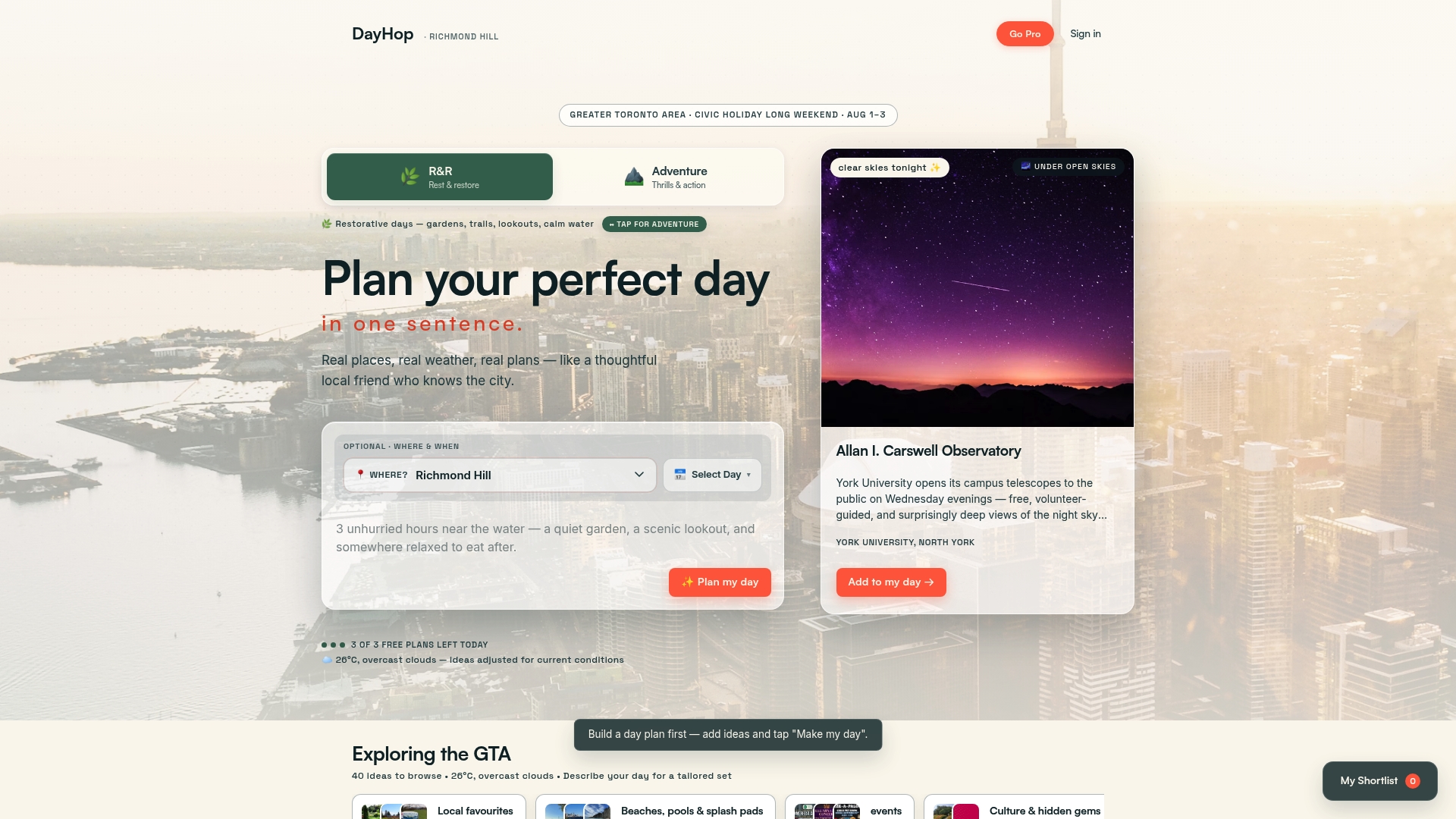
Set your preferences once, food, outdoors, family pace, and DayHop sequences your stops to match, swapping in a museum morning if rain rolls in over the islands. Saved plans sync with whoever you’re travelling with, and booking links for attractions sit right inside the itinerary instead of scattered across five browser tabs. If you’re heading to Toronto and want this exact weekend built around your own timing, start a plan on DayHop before you land.
Frequently asked questions
How many days do you need for a Toronto weekend itinerary? Two days covers the core anchors comfortably: St. Lawrence Market, the CN Tower, the Distillery District, and either the Toronto Islands or the ROM and AGO. A third day adds room for Casa Loma, the Beaches, or a Niagara Falls day trip.
What should I book before arriving in Toronto? Prebook a CN Tower timed entry and the Toronto Islands ferry, particularly for summer weekends when ferry lines can run past 90 minutes. Museum timed tickets for the ROM or AGO are worth reserving too if you’re visiting on a busy Saturday.
Is the TTC worth it for a short Toronto trip? Yes. A weekend day pass typically pays for itself after about three separate trips, which most two-day itineraries hit easily between the market, downtown attractions, and evening plans.
What’s the best neighbourhood to stay in for a first Toronto visit? Downtown near King or Front Street puts you within walking distance of St. Lawrence Market and the CN Tower, which cuts transit time across your whole trip. King West or Queen West suits travellers prioritizing nightlife and dining.
Do I need a visa to visit Toronto for a weekend trip? That depends on your citizenship and travel history. If you’re unsure whether you need a visitor visa or an Electronic Travel Authorization, reviewing Canada’s current visitor visa guidelines before booking flights is worth the ten minutes it takes.
Sources
- Destination Toronto — neighbourhood itineraries
- Things to do in Toronto this weekend Toronto Tourism
- Lonely Planet — weekend itinerary Toronto
- St. Lawrence Market — FAQs
Recommended
Plan my day →